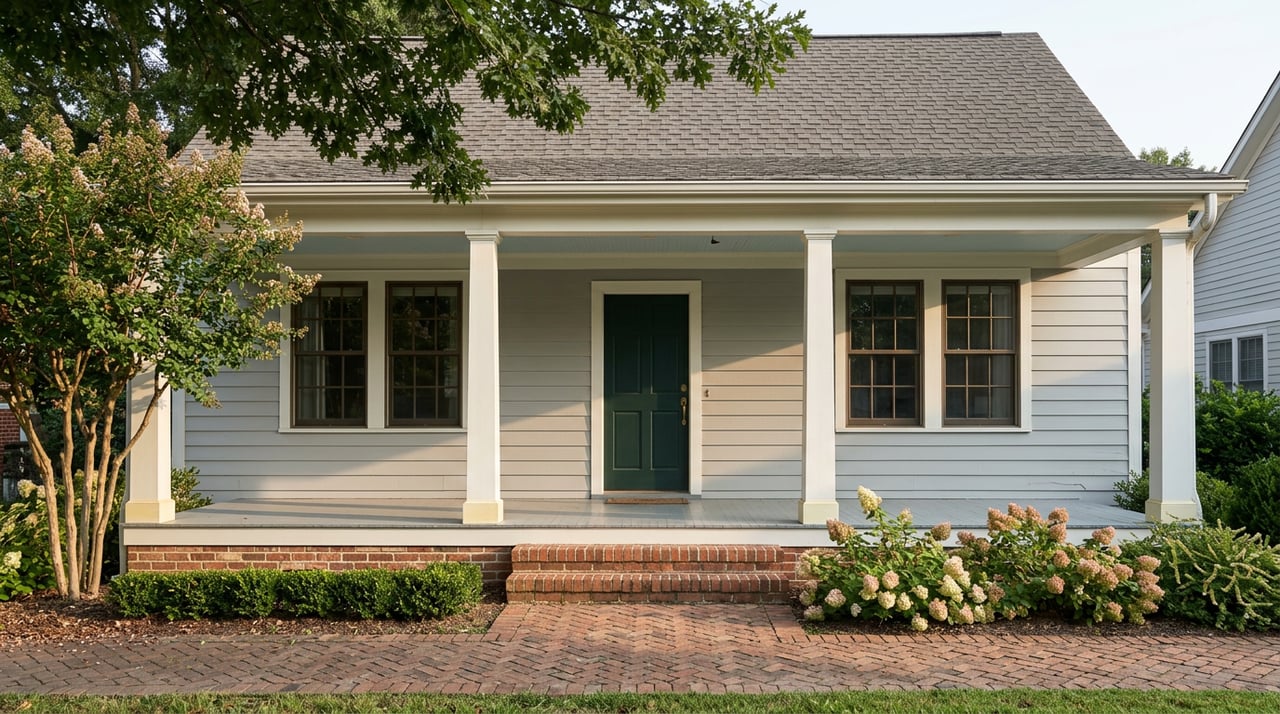
The Approval You Need Before You Touch a Window in Downtown Senoia
August 13, 2026
August 13, 2026
Can a homeowner inside downtown Senoia's historic district repaint exterior trim without asking the city first?
Yes. Repaint the same trim, even in a new color, and you're free to go, according to Georgia's preservation guidance. Many other visible exterior changes, such as replacing windows or a front door, adding a fence along the side yard, or enclosing a porch, have to go through a city commission before a contractor can start. For a buyer who thinks of closing day as the finish line, that's a detail worth knowing before the offer is written, not after the dumpster shows up in the driveway.
Downtown Senoia earned its spot on the National Register of Historic Places on March 17, 1989. That designation came with a condition: the city had to create a review process for exterior changes inside the district, which it did through the Historic Preservation Commission, established under Chapter 39 of Senoia's Code of Ordinances. The commission's job is preservation, rehabilitation, restoration, and reconstruction of historic properties, and new construction in the district is expected to complement the neighborhood rather than compete with it.
The mechanism that does the actual work is called a Certificate of Appropriateness, or COA. Before an owner makes what the ordinance calls a material change in the exterior appearance of a historic-district property, that change needs a COA reviewed and approved by the commission. The application is picked up at City Hall, and depending on the scope of work, professional drawings may need to accompany it.
Here's where the list gets specific, and where a lot of buyers assume more freedom than they actually have.
| Needs a Certificate of Appropriateness | Does not need one |
|---|---|
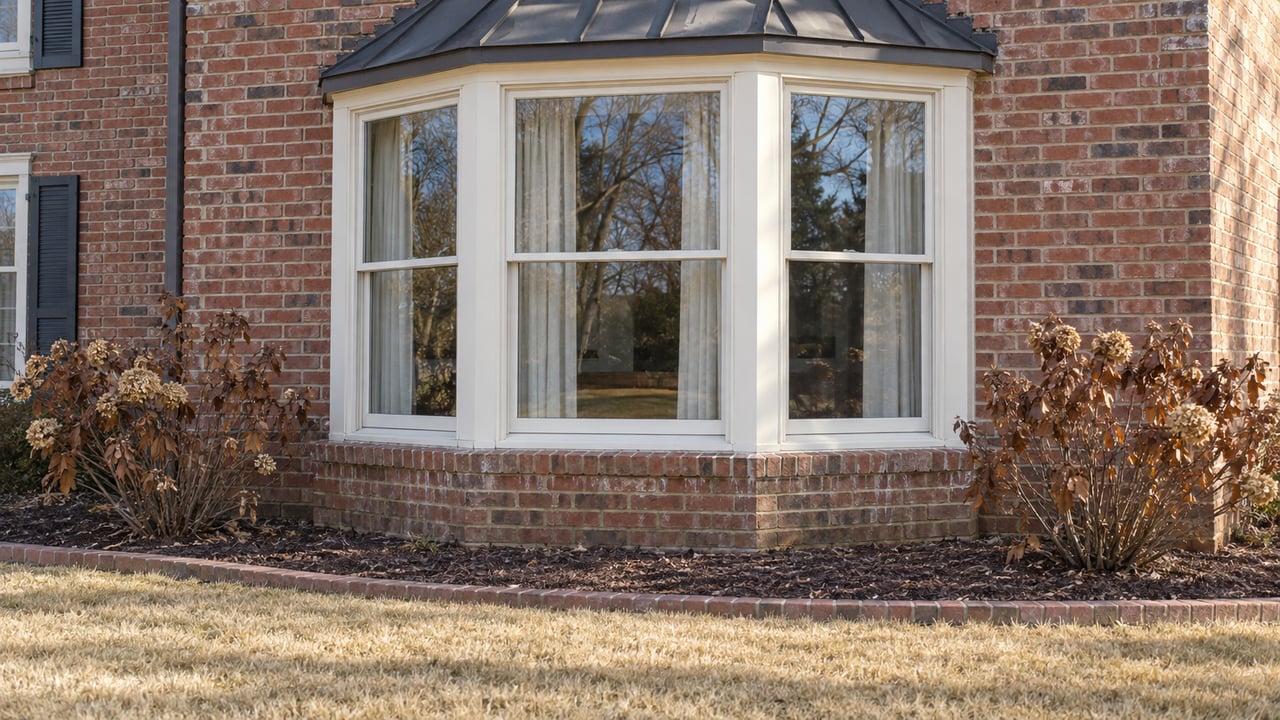
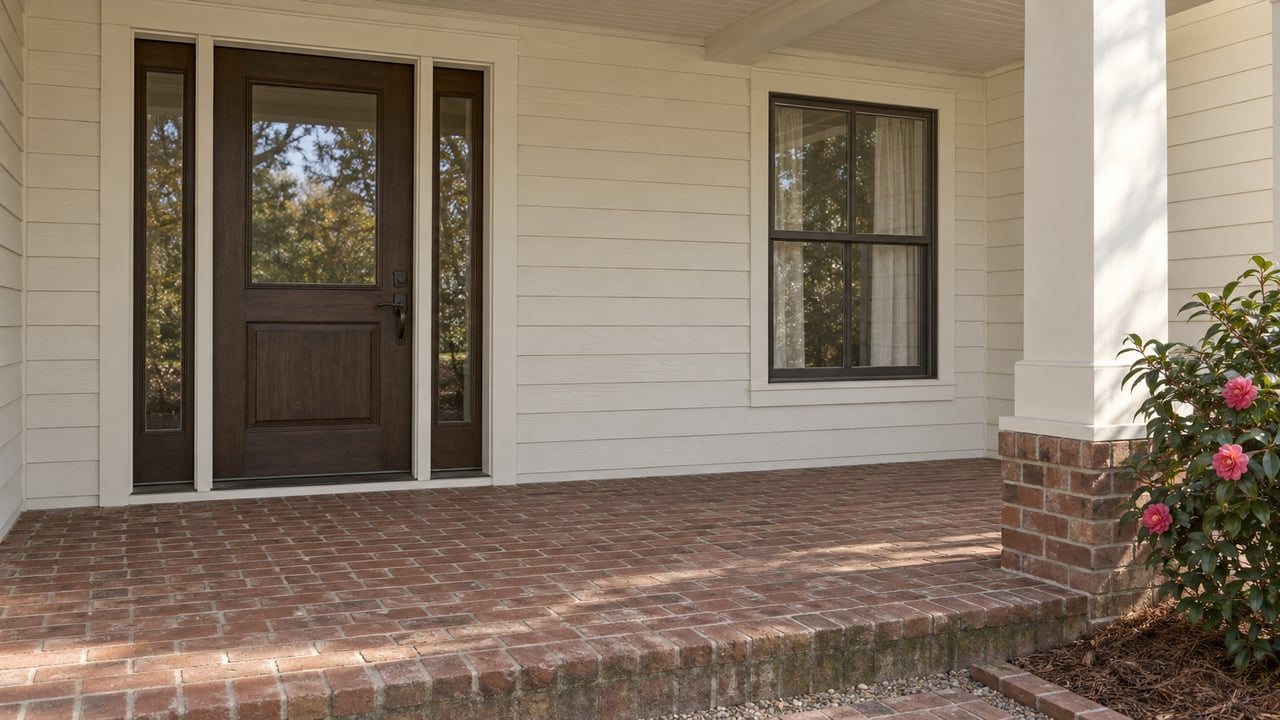
| Replacing windows or doors | Repainting, even in a different color |
| Installing new siding | |
| Enclosing or adding a porch | Interior renovations that don't change the exterior |
| Adding a fence | |
| Demolishing all or part of a structure |
Georgia's state preservation law specifically carves out exterior paint from the COA requirement. Interior work, kitchens, bathrooms, floor plans, isn't reviewed at all, because the commission's authority stops at what's visible from the street.
This is the part that catches people off guard, and it has nothing to do with whether the commission likes your plans.
To be considered at a Historic Preservation Commission meeting, a completed COA application has to reach City Hall at least 10 days before that meeting. Miss the cutoff by a day and the application doesn't get pushed to next week. It waits for the following month's meeting, and the applicant is expected to attend in person to present the work and answer questions.
A missed submission deadline doesn't cost you ten days. It costs you the four to six weeks until the next scheduled meeting, plus whatever a contractor charges to hold a start date open in the meantime.
That's a real number for anyone timing a purchase around a renovation, or a sale around a listing date. A buyer who assumes they can close on a Friday and start swapping windows on Monday may instead be looking at a month of carrying costs, storage fees, or a contractor crew booked elsewhere, all because the city's calendar and the buyer's calendar never lined up.
Some owners find out about the COA requirement the hard way, after the work is already done. Georgia's preservation guidance is direct about the consequences: work completed without a Certificate of Appropriateness can lead to fines, permit delays, and the reversal of unapproved alterations. That last part matters for resale. A fence, a porch enclosure, or replacement windows installed without approval can surface during due diligence or a future project.
If an owner disagrees with a commission decision, there is a path forward. Appeals go first to the city's elected officials, and from there to Coweta County Superior Court.
Here's why the timing matters more this year than it might have three years ago.
As of June 2026, the median home price across all property types in Senoia sat around $560,000, based on aggregated MLS-fed listing data, with active listings ranging from roughly $280,000 up to $3.9 million. That's a wide enough spread that a single downtown historic-district property doesn't move the whole city's median much on its own.
But look one layer deeper. In July 2026, Senoia's median list price came in at $564,000, down 5 percent from July 2025, and the median price per square foot fell 6 percent over that same period, even as the median time on market held flat at 67 days year over year. Prices per square foot cooling while days on market stay steady is a specific signal: sellers are pricing more precisely up front rather than testing a number and sitting on it. That's a market with less room to absorb a self-inflicted delay. A seller who miscalculates the commission's monthly cutoff and loses a month before listing photos can be shot is competing in a different market than the one they modeled when they set their timeline.
Does repainting my house require a Certificate of Appropriateness? No. Exterior paint is specifically excluded from the COA requirement under Georgia's preservation law.
What if I only want to change something inside the house? Interior changes that don't affect how the property looks from the outside aren't reviewed by the Historic Preservation Commission at all.
Can I appeal if the commission denies my application? Yes. Appeals go first to the city's elected officials and, if still unresolved, to Coweta County Superior Court.
What happens if earlier work was done without a COA? The commission can require reversal of unapproved alterations, along with fines and permit delays.
Buying or selling inside downtown Senoia's historic district isn't more complicated than a typical transaction, but it does run on a calendar that isn't entirely yours to set. Knowing that before you write the offer, not after, is the difference between a renovation that starts on schedule and one that waits six weeks for a meeting you didn't know you needed.
If you're weighing a purchase or a sale inside Senoia's historic district and want to talk through what the timeline actually looks like for your specific property, Angela Yoder is happy to walk through it with you. Schedule a Consultation to get started.
This article is general information, not legal, tax or financial advice. Consult a qualified professional about your situation.
Stay up to date on the latest real estate trends.



For buyers, I bring strategic negotiation, local insight, and calm confidence in competitive situations. For sellers, I offer a thoughtful pricing strategy, strong marketing, and careful guidance to position your home for maximum value. It would be an honor to represent you and help you achieve your real estate goals.