Newnan Neighborhoods: Established Streets Vs New Communities
July 16, 2026
July 16, 2026
Choosing between an older street with deep roots and a newer planned community is not just about the house. In Newnan, that choice often shapes how you live day to day, how much upkeep you manage, and what kind of neighborhood setting feels right for your next move. If you are weighing charm versus convenience, variety versus predictability, or flexibility versus shared amenities, this guide will help you compare both paths with more confidence. Let’s dive in.
Newnan has a housing landscape shaped by both preservation and growth. The city’s long-range planning reflects an ongoing balance between protecting established areas and guiding new residential development that fits Newnan’s overall character.
That mix is part of what makes Newnan appealing to many buyers. City planning materials show a community with a range of housing types, and roughly 30% of the city’s land is still undeveloped. In other words, Newnan is not built out, and that helps explain why you can still find both older streetscapes and newer communities here.
Resident feedback in city planning also points to what people value most about living in Newnan. Historic neighborhoods, downtown, housing options, community appearance, and walkability all show up as reasons people choose the area. That means your neighborhood decision is often just as important as your home search itself.
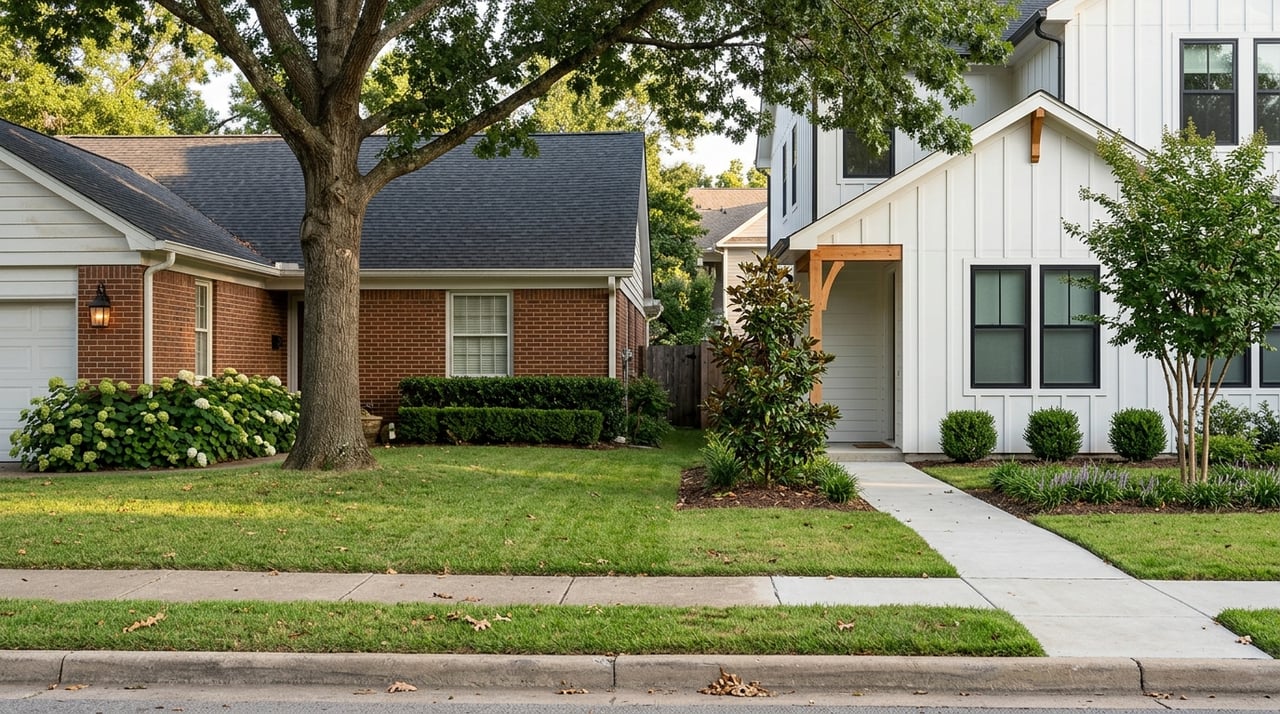
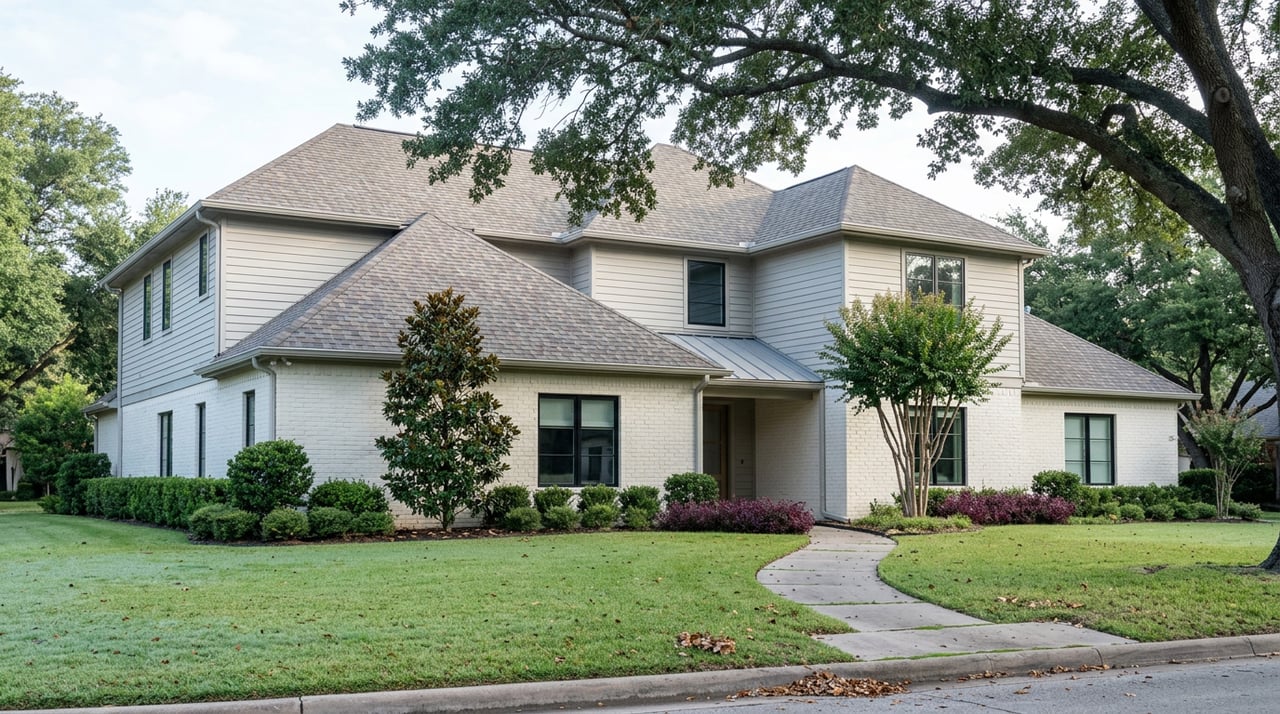
Established neighborhoods in Newnan often stand out for character, variety, and a sense of history. These areas usually developed over many years, not all at once, so the streetscape can feel more layered and less uniform.
Newnan’s historic districts give you the clearest example of this established-neighborhood feel. The city identifies seven historic districts that include antebellum and Victorian homes, along with downtown buildings in styles such as Neoclassical, Italianate, Classical Revival, Romanesque, and Victorian.
That variety often shows up in practical ways. You may see different home sizes on the same street, irregular lot shapes, mature trees, and blocks that evolved over decades instead of following one builder’s original plan.
In areas like Greenville-LaGrange, the city specifically notes a pattern where older principal streets hold grander homes while later infill streets include smaller homes. For you as a buyer, that can mean more choices in style and setting, even within the same general area.
Established streets often appeal to buyers who want a neighborhood that feels less standardized. You may notice open lawns, older parks, long-standing street patterns, and homes with details that reflect different eras of construction.
College-Temple, for example, is described by the city as having schools, parks, tree-lined streets, churches, formal gardens, and open lawns. Downtown Newnan also reflects an early layout centered around the public square. These details help explain why older areas often feel distinct from one another.
The tradeoff with older neighborhoods is that upkeep can be more house-specific. A home that is decades older may need repairs or updates that vary widely from property to property.
If a home is located within a designated historic area, there may also be design-review requirements for certain exterior changes. Newnan’s Historic Preservation Overlay District requires a Certificate of Appropriateness for some visible exterior work, which may affect projects like replacing windows, changing a façade, or adding on to the home.
That does not make historic or established areas harder by default. It simply means you should go in with clear expectations about maintenance, approvals, and the level of individuality that comes with an older property.
Newer communities in Newnan often attract buyers who want a more predictable neighborhood setup. These areas are typically built with an integrated plan that includes common features, shared spaces, and a defined governance structure.
Newnan’s development rules help show how these communities are designed. City subdivision regulations call for safe streets, utilities, open space, recreation areas, and other public facilities, and they require developers to complete unfinished infrastructure within two years of final plat approval, backed by performance and maintenance bonds.
The city’s planned-development code also requires planned developments to function as a single integrated design entity. That structure is usually tied to an association or management body responsible for common areas, infrastructure responsibilities, and covenants.
For you, this often translates into a neighborhood that feels more organized from the start. Streets, shared areas, and amenities are usually part of one coordinated vision rather than the product of decades of separate changes.
One of the biggest draws of newer communities is access to shared amenities. Depending on the neighborhood, that might include pools, lakes, courts, playgrounds, parks, trails, clubhouses, or other common spaces.
Lake Redwine Plantation is one local example. It describes itself as a 650-home lake community with a 330-acre lake, two pools, a renovated tennis and pickleball complex, a playground, a marina, and additional common-area parks.
Cresswind at Spring Haven is another example of newer development in Newnan. Local reporting says its resident-only clubhouse will include lounge and activity spaces, a cardio studio, pickleball and tennis courts, a resort-style pool, access to two community lakes, an event lawn, and a full-time lifestyle director.
New planned communities also tend to offer a more standardized home product. In Cresswind at Spring Haven, the builder is marketing 12 single-family floor plans with open-concept layouts, upgraded finishes, and personalization options.
That kind of consistency can be a plus if you value a streamlined selection process. Instead of comparing homes built across many decades, you may be choosing between a narrower range of layouts, finishes, and lot positions within the same community.
The best neighborhood fit usually comes down to how you want to live, not which option is universally better. Both established streets and newer communities serve different goals well.
If you are drawn to mature streetscapes, varied architecture, and homes with a one-of-a-kind feel, established neighborhoods may be more appealing. If you prefer a more predictable layout, newer construction standards, and coordinated common spaces, a planned community may feel easier to evaluate.
Neither choice is right for everyone. The better question is which setting matches your daily routine, maintenance comfort level, and long-term priorities.
Older neighborhoods often come with more variation from lot to lot and house to house. In some cases, that can feel more flexible, especially outside historic-review areas.
New planned communities often come with more defined rules through covenants and association governance. That may support a more coordinated appearance and upkeep, but it can also affect things like exterior changes, landscaping, fencing, or other visible updates.
With an established home, you may spend more time thinking about the property itself. Age, systems, and exterior condition can vary a lot, which makes inspections and future maintenance planning especially important.
In a newer planned community, the focus often shifts toward shared maintenance. HOA dues may support the care of common spaces and amenities, but you will want to understand exactly what is covered and what remains your responsibility.
When I help buyers compare neighborhoods in Coweta County, I encourage them to look past the listing photos and ask practical questions about daily ownership. In Newnan, these are some of the most useful ones.
These questions can help you compare apples to apples. A beautiful older home and a polished newer home may both be great options, but the ownership experience can be very different.
If you value history, architecture, mature trees, and a more organic neighborhood pattern, established streets may feel like home. If you want organized amenities, a more uniform setting, and association-managed common spaces, a newer community may be the better fit.
Many buyers moving to Newnan are not choosing between good and bad. They are choosing between two valid lifestyles. That is why the right decision usually comes from matching the neighborhood structure to your priorities, your budget, and the amount of upkeep or oversight you are comfortable with.
A thoughtful neighborhood decision can protect more than your investment. It can shape how connected, comfortable, and confident you feel in your next home.
If you are comparing established streets and newer communities in Newnan, Angela Yoder can help you evaluate the details with clarity, communicate with purpose, and move forward with confidence.
Stay up to date on the latest real estate trends.
For buyers, I bring strategic negotiation, local insight, and calm confidence in competitive situations. For sellers, I offer a thoughtful pricing strategy, strong marketing, and careful guidance to position your home for maximum value. It would be an honor to represent you and help you achieve your real estate goals.